Finance made readable, structured and stripped of noise.

Featured6 min read

The 2026 Liquidity Trap: Why High Rates are Redefining Portfolio Construction

*The global economy is no longer in a "recovery" phase; it is in a "recalibration" phase. As the Bank of England holds at 3.75% and the Fed maintains its hawkish stance, the era of 'free money' hasn't just ended—it's being buried. We are seeing a massive rotation toward assets with 'resilient cash flow' over 'speculative growth.' This isn't just a trend; it is the new fundamental floor for the next decade.*

GeneralGlobal
Read analysis
The Quality Compounded: How Gecina’s Q1 2026 Outpaced the Inflation Drag
positiveEconomyGlobal
2 min read

The Quality Compounded: How Gecina’s Q1 2026 Outpaced the Inflation Drag

*While the broader European office market is grappling with a slow-motion identity crisis, Gecina just proved that 'Prime' isn't just a buzzword—it’s a fortress. By delivering a 2.3% like-for-like rental growth that beat the French indexation of 1.3%, Gecina isn't just following the market; it’s leading it. This isn't a story about massive expansion; it’s a story about 'Product Differentiation.' In a world where businesses are shrinking their footprints, they are simultaneously upgrading their quality—and they are willing to pay Gecina a premium to do it. The signal is unmistakable: In 2026, the 'Flight to Quality' has become a 'Sprint to Prime.'*

Read
The Iberian Rebound: Why Spain’s 24% Deficit Shredding is a Warning to the Eurozone
neutralTechnologyGlobal
2 min read

The Iberian Rebound: Why Spain’s 24% Deficit Shredding is a Warning to the Eurozone

*While the rest of Europe is shivering under the threat of a manufacturing winter, Spain just handed in a report card that defies the gravity of the Eurozone. A 24% narrowing of the trade deficit in the first two months of 2026 isn't just a "lucky dip"—it is the result of a massive, structural pivot. Spain is importing less energy and exporting more high-value services and tech. For the first time in a decade, Madrid isn't the "weak link" of the Mediterranean; it’s the engine. The signal is sharp: Spain is successfully de-coupling its growth from the high energy costs that are currently strangling German industry.*

Read
Decoding Maven VCT’s £4.3 Million Share Surge
positiveBusinessGlobal
2 min read

Decoding Maven VCT’s £4.3 Million Share Surge

*It is late March in the United Kingdom, which means one thing in the financial districts: the taxman is knocking. High-net-worth investors and executives are scrambling to shelter their annual bonuses before the April 5th tax year deadline. Maven Income & Growth VCT just opened the pressure valve, issuing 11.6 million new shares and scooping up £4.3 million in fresh capital in the process. This isn't your standard corporate fundraising; this is a highly orchestrated, state-sponsored tax haven operating at peak seasonal efficiency. Maven gets a fresh war chest to buy into cash-starved UK startups, and investors get an immediate 30% rebate from His Majesty's Revenue and Customs. It is the ultimate symbiotic handshake of the British financial spring.*

Read
The Peace Pivot: Why Gold is Finding its Feet in the Shadow of the 15-Point Plan
positiveEnergyUS
2 min read

The Peace Pivot: Why Gold is Finding its Feet in the Shadow of the 15-Point Plan

*After a month where the global economy felt like it was strapped to a Tomahawk missile, we finally have a moment of "diplomatic friction." Gold’s 2% surge isn't just a flight to safety; it’s a relief rally triggered by a softening Dollar and a desperately needed cool-down in the oil pits. For the first time since the February 28th strikes, the "War Premium" is being challenged by a "Peace Proposal." Washington has put a 15-point map on the table, and while Tehran is currently calling it a "wish list," the mere existence of a deadline—April 6—has given the markets enough oxygen to stop selling everything that isn't nailed down. This is the "Eye of the Storm" trade: Gold rises because the immediate threat of energy-plant destruction has been paused, allowing the Dollar’s suffocating grip to loosen just enough for bullion to breathe.*

Read
The Nuclear Rubicon: Why North Korea’s “Irreversible” Decree is the Ultimate Market Stress Test
neutralBusinessUS
2 min read

The Nuclear Rubicon: Why North Korea’s “Irreversible” Decree is the Ultimate Market Stress Test

While the world was distracted by the EU-Australia trade pact and the cooling of the UK labor market, Kim Jong Un decided to flip the geopolitical switch back to "Maximum Tension." By declaring North Korea’s nuclear status as "irreversible" and legislating the right to preemptive strikes, Pyongyang isn't just saber-rattling—it is burning the bridge to the negotiating table. For investors, this isn't just another headline; it is the official return of the "Korea Discount." The signal is cold: the Silicon Shield of the South is being tested by a nuclear reality that no amount of diplomacy can now undo.

Read
The Penny Stock Pivot: Why Yimutian is Spending RMB 50 Million to Buy its Way Out of the Farm
neutralTechnologyGlobal
2 min read

The Penny Stock Pivot: Why Yimutian is Spending RMB 50 Million to Buy its Way Out of the Farm

Yimutian (NASDAQ: YMT) built its name as the "Alibaba of Chinese agriculture," connecting millions of farmers with wholesale buyers. But Wall Street hasn't been kind; the stock has cratered 89% over the last year, trading near a dismal $0.30. To stop the bleeding, Yimutian isn't planting more crops; they are buying the corporate cafeteria. For RMB 50 million ($6.9 million), they are acquiring Xunxi Technology, an enterprise procurement platform. This is a desperate, aggressive masterstroke: Yimutian is buying a profitable, ready-made client list to instantly pivot from a pure agricultural app into a full-scale corporate supplier.

Read
Inside the EU-Australia Free Trade Breakthrough
neutralBusinessUS
2 min read

Inside the EU-Australia Free Trade Breakthrough

Clear, seedless context so the move makes sense fast. It was like a market weather report, a quick calm after a squall. After eight years of bitter negotiations, stalled talks, and agricultural standoffs, the European Union and Australia just signed a landmark Free Trade Agreement on March 24, 2026. The signal is unmistakable: the geopolitical climate has shifted. Europe realized it needs Australian lithium more than it needs an impenetrable wall around its farmers, and Australia urgently needed a 450-million-person market to hedge against an unpredictable global supply chain. This isn't just about zero-tariff chocolate or beef; it is a strategic marriage of necessity disguised as an economic pact.

Read
Amplifon downgraded by Barclays, Jefferies after surprise €2.3 bln GN deal
positiveMarketsGlobal
2 min read

Amplifon downgraded by Barclays, Jefferies after surprise €2.3 bln GN deal

. Amplifon, the king of hearing aid retail, just decided to buy the factory. By acquiring GN Store Nord’s hearing division for €2.3 billion, they are attempting a massive "vertical integration" play. But the market isn't applauding; it’s covering its ears. Barclays and Jefferies immediately downgraded the stock because, in a world of high interest rates, a "surprise" multi-billion euro debt pile is a very loud distraction from an otherwise clean balance sheet.

Read
Why the Indian Rupee is Caught in a Global Energy Crossfire
positiveEnergyAsia
2 min read

Why the Indian Rupee is Caught in a Global Energy Crossfire

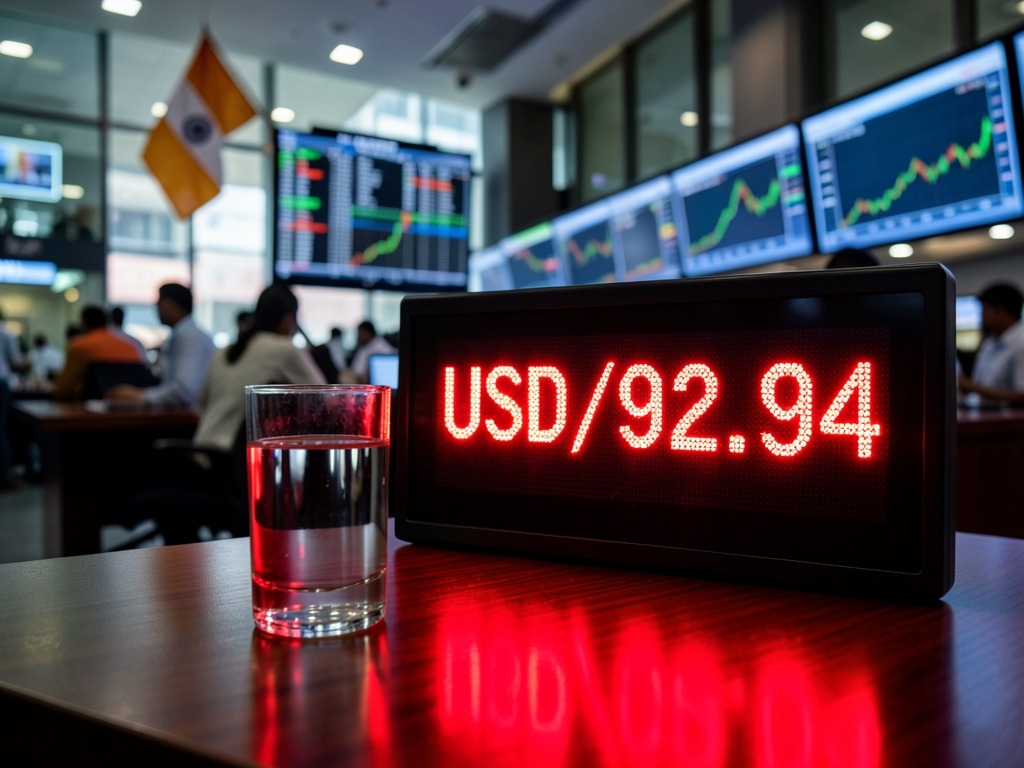
India’s currency just hit a record low of 92.94 against the US dollar, and the culprit isn't internal—it’s external. With the Middle East conflict pushing Brent crude toward triple digits and the US Dollar Index (DXY) acting like a global magnet for cash, the Rupee is fighting a two-front war. The signal: until oil prices stabilize and the "safe-haven" rush into the Dollar cools down, the Reserve Bank of India is essentially playing goalkeeper in a high-stakes penalty shootout.

Read